
 Image 1 of 2
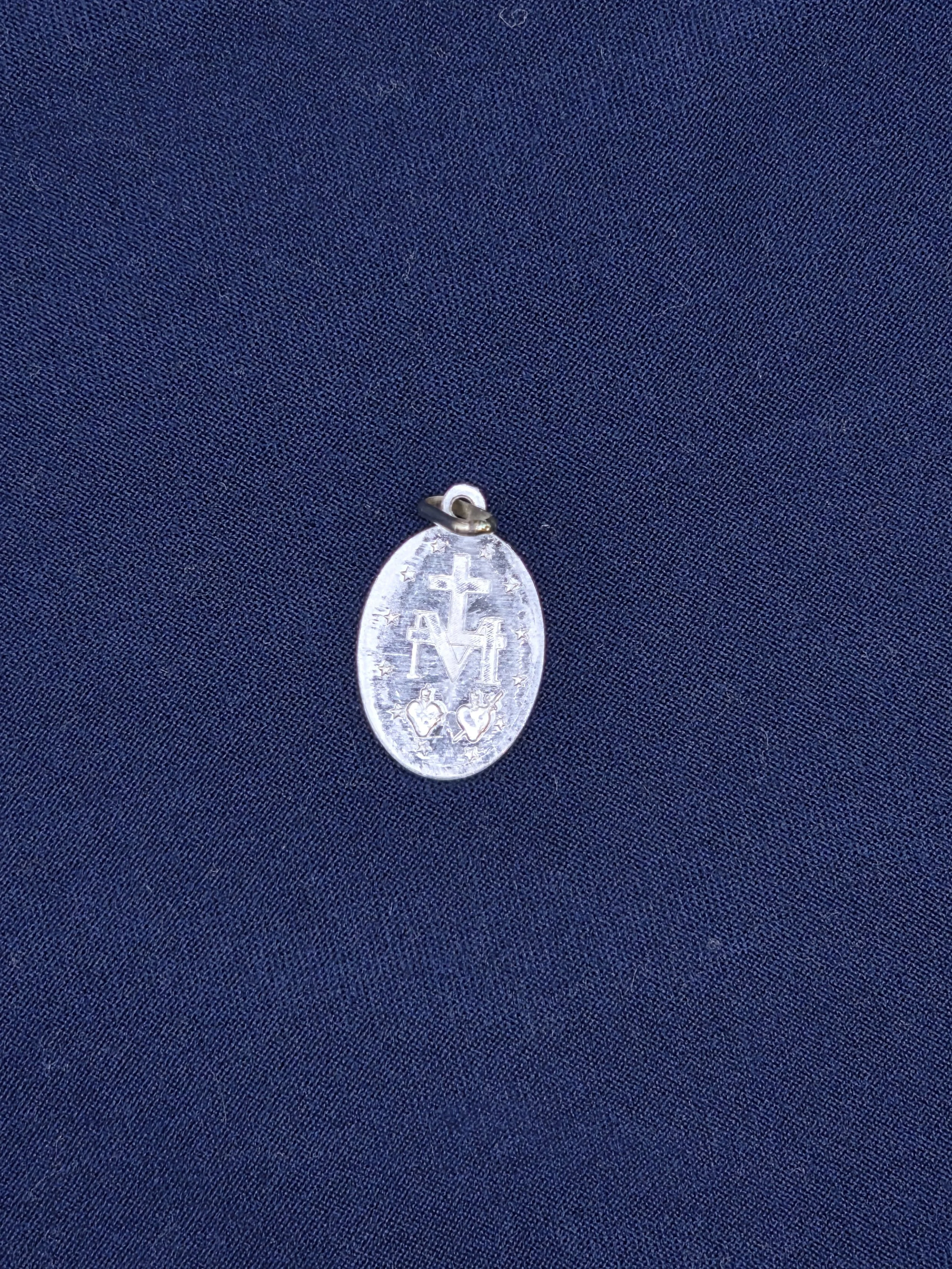 Image 2 of 2
The Miraculous Medal (also known as the Medal of the Immaculate Conception) is one of the most popular and powerful sacramentals in the Catholic Church.
On November 27, 1830, the Blessed Virgin Mary appeared to Saint Catherine Labouré, a young novice in the Daughters of Charity convent in Paris, France.
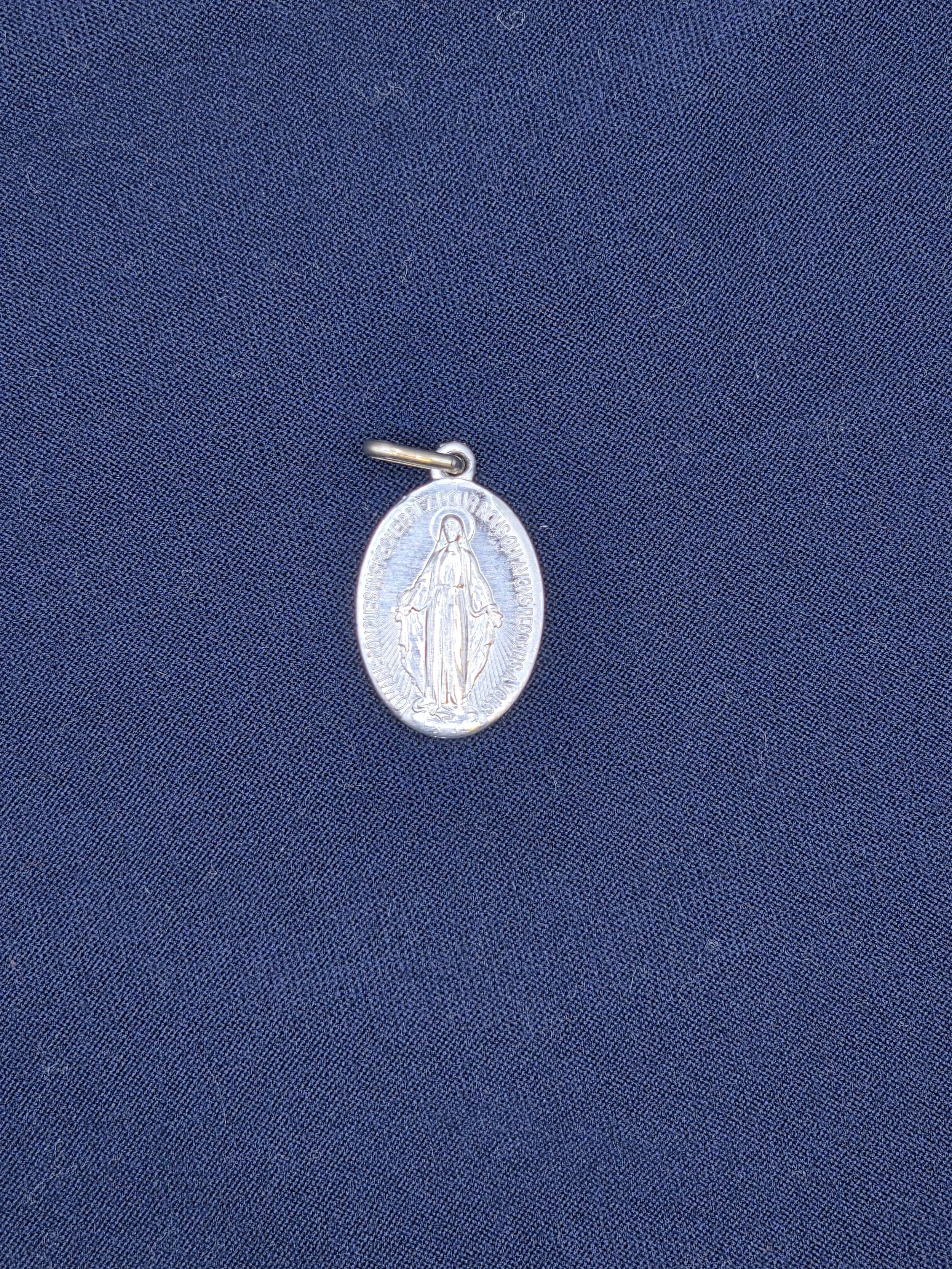
During the apparition, Mary asked Catherine to have a medal struck according to the vision she was shown. Mary stood on a globe (crushing the serpent), with rays of grace streaming from her hands. Around the image were the words:
“O Mary, conceived without sin, pray for us who have recourse to thee.”
On the reverse side: the letter “M” surmounted by a cross, with the Sacred Heart of Jesus and the Immaculate Heart of Mary below it, surrounded by twelve stars.
Catherine told her confessor, and the first medals were made in 1832. Almost immediately, extraordinary graces, conversions, and healings were reported by those who wore the medal with faith. It quickly became known as the Miraculous Medal.
It is a powerful sacramental that reminds us of Mary’s Immaculate Conception.
It is a sign of Mary’s motherly protection and intercession.
Wearing it with faith and devotion is a way of consecrating oneself to Mary.
The Miraculous Medal is especially associated with:
Conversions (especially of hardened sinners)
Protection from evil and danger
Healing (physical and spiritual)
Graces for those who wear it
Devotion to the Immaculate Conception
Saint Catherine Labouré is the patroness associated with this medal.
Usually worn around the neck on a chain.
Many people wear it together with the Brown Scapular.
It is often given to children at First Communion or Baptism.
Popular Prayer (the words on the medal itself):
“O Mary, conceived without sin, pray for us who have recourse to thee.”
The Miraculous Medal (also known as the Medal of the Immaculate Conception) is one of the most popular and powerful sacramentals in the Catholic Church.
On November 27, 1830, the Blessed Virgin Mary appeared to Saint Catherine Labouré, a young novice in the Daughters of Charity convent in Paris, France.
During the apparition, Mary asked Catherine to have a medal struck according to the vision she was shown. Mary stood on a globe (crushing the serpent), with rays of grace streaming from her hands. Around the image were the words:
“O Mary, conceived without sin, pray for us who have recourse to thee.”
On the reverse side: the letter “M” surmounted by a cross, with the Sacred Heart of Jesus and the Immaculate Heart of Mary below it, surrounded by twelve stars.
Catherine told her confessor, and the first medals were made in 1832. Almost immediately, extraordinary graces, conversions, and healings were reported by those who wore the medal with faith. It quickly became known as the Miraculous Medal.
It is a powerful sacramental that reminds us of Mary’s Immaculate Conception.
It is a sign of Mary’s motherly protection and intercession.
Wearing it with faith and devotion is a way of consecrating oneself to Mary.
The Miraculous Medal is especially associated with:
Conversions (especially of hardened sinners)
Protection from evil and danger
Healing (physical and spiritual)
Graces for those who wear it
Devotion to the Immaculate Conception
Saint Catherine Labouré is the patroness associated with this medal.
Usually worn around the neck on a chain.
Many people wear it together with the Brown Scapular.
It is often given to children at First Communion or Baptism.
Popular Prayer (the words on the medal itself):
“O Mary, conceived without sin, pray for us who have recourse to thee.”