 Image 1 of 1
Saint Maximilian Kolbe (1894–1941), also known as St. Maximilian Maria Kolbe, was a Polish Franciscan friar, priest, and martyr who is one of the most beloved modern saints.
Born Raymond Kolbe in Poland, he entered the Franciscan Order as a teenager and was ordained a priest in 1918. He had a deep devotion to the Virgin Mary and founded the Militia Immaculatae (Army of the Immaculate One), a movement dedicated to spreading devotion to Mary and converting the world through her intercession. He also founded a large monastery in Niepokalanów and started a popular Catholic publishing house.
During World War II, he sheltered thousands of refugees, including many Jews, at his monastery. In 1941, he was arrested by the Nazis and sent to the Auschwitz concentration camp. When a prisoner escaped and the camp commander sentenced ten men to death by starvation, Kolbe volunteered to take the place of a young husband and father named Franciszek Gajowniczek. He was locked in the starvation bunker with the others. After two weeks, he was still alive and calmly leading prayers. The guards finally killed him with a lethal injection of carbolic acid on August 14, 1941.
He was canonized by Pope St. John Paul II in 1982 as a martyr of charity. His feast day is August 14.
Saint Maximilian Kolbe is venerated as the patron saint of:
Prisoners and those in concentration camps
Addicts and people struggling with drug addiction (especially alcohol and substance abuse)
Journalists and media workers (because of his extensive publishing work)
Families (especially fathers)
The pro-life movement
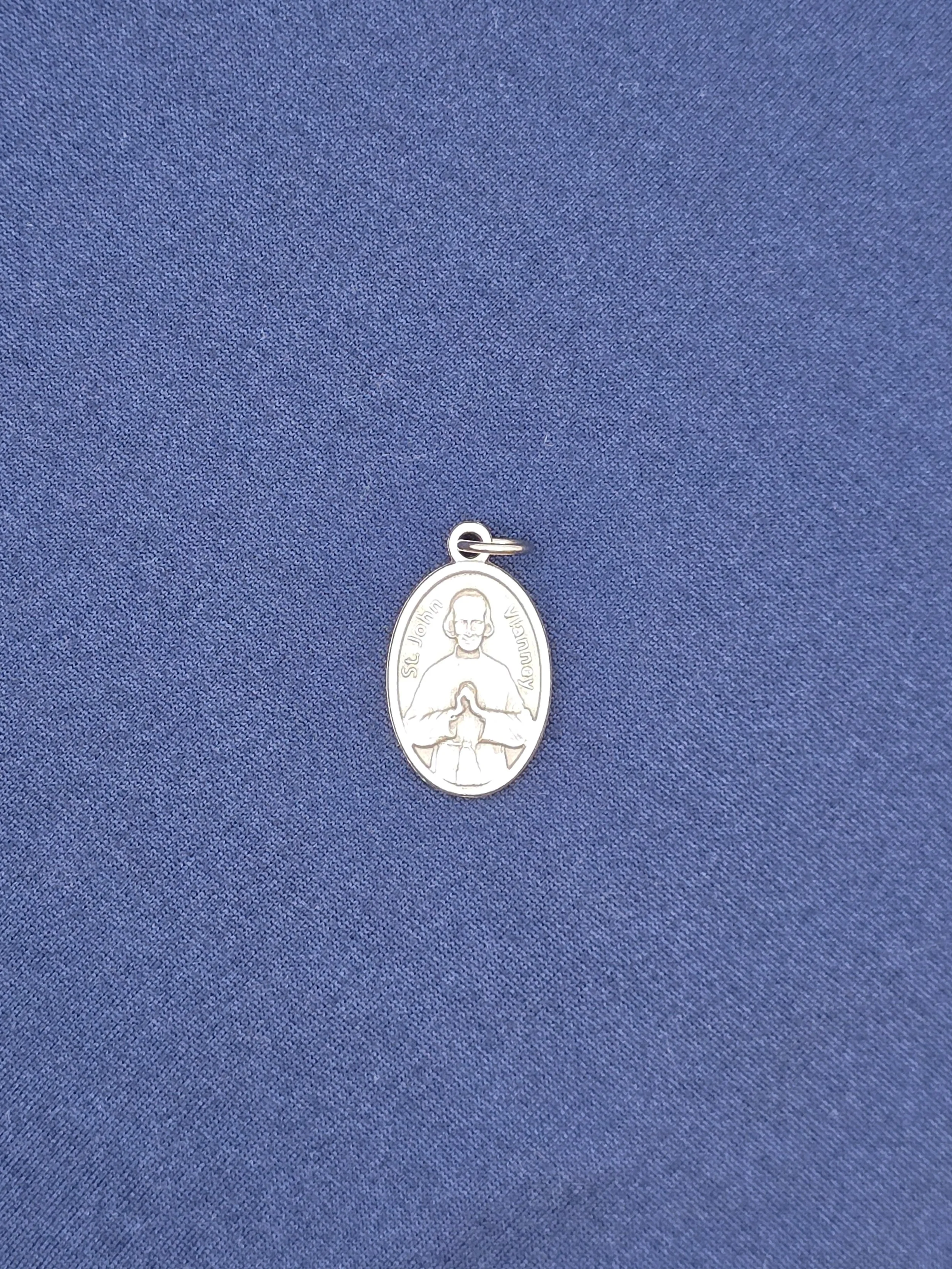
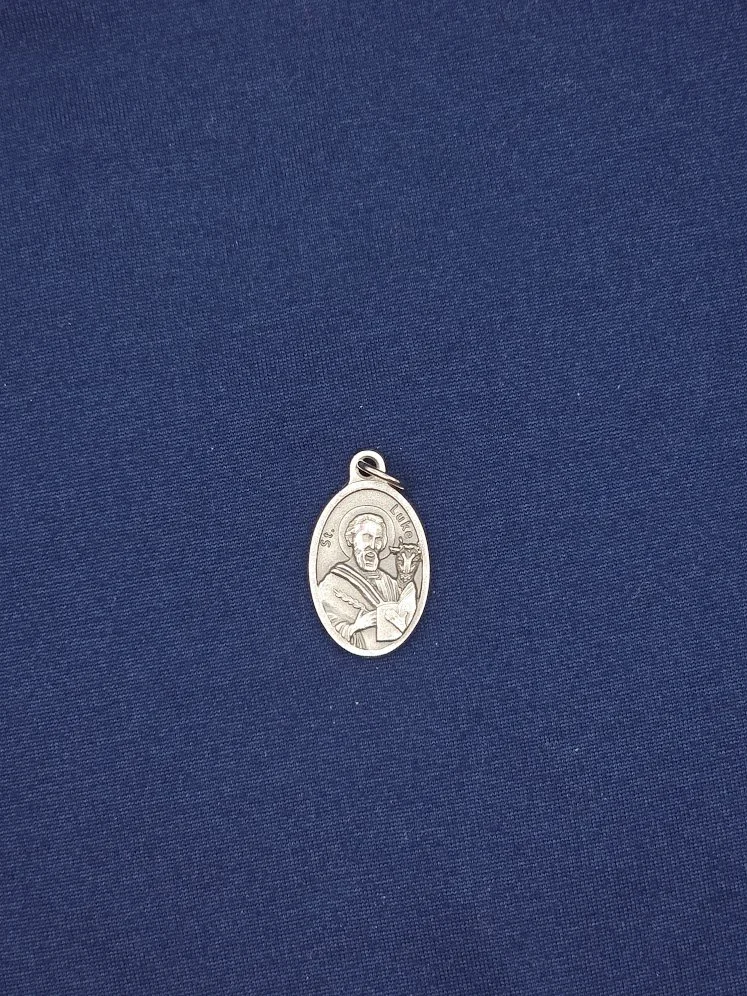
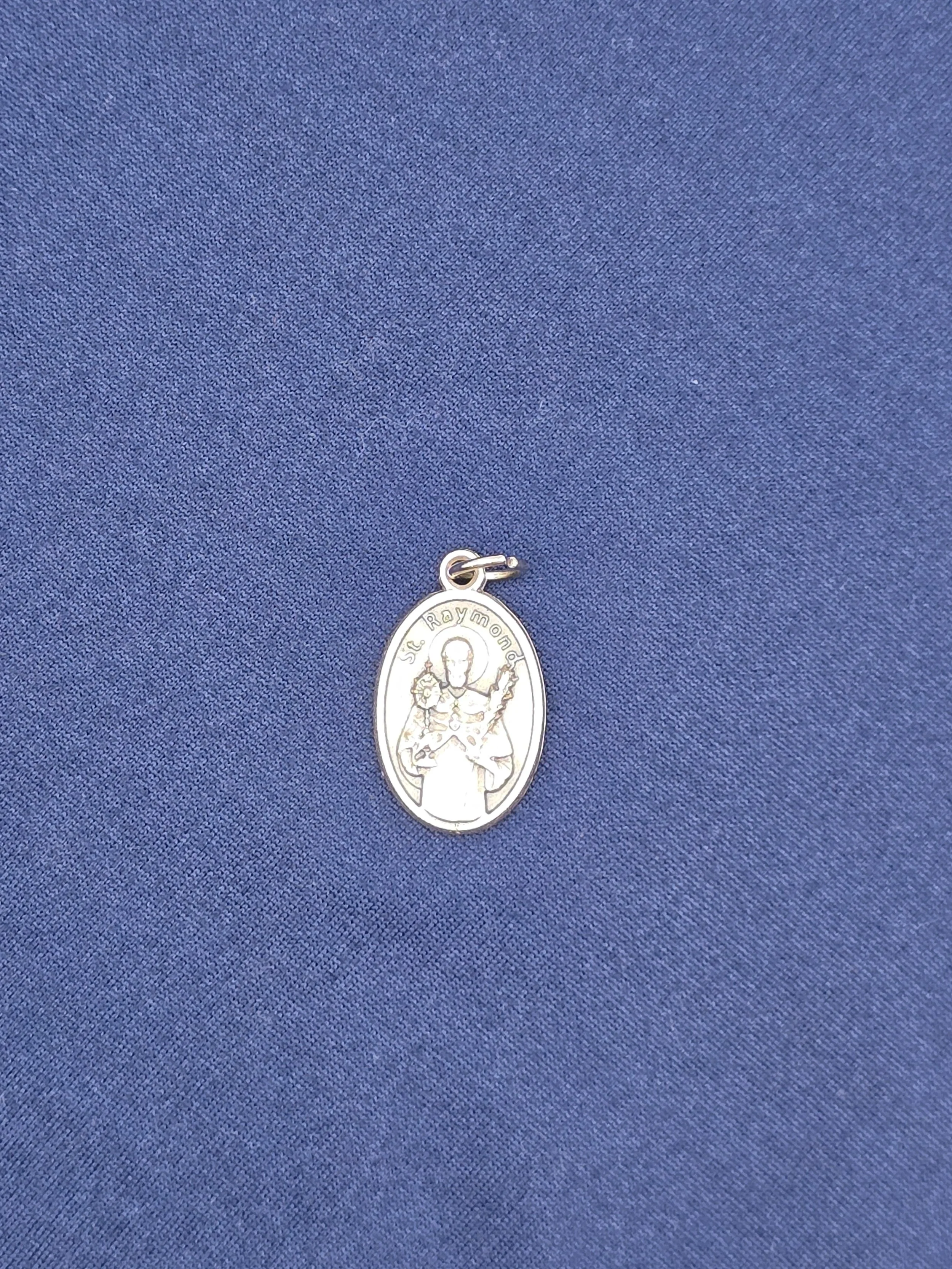
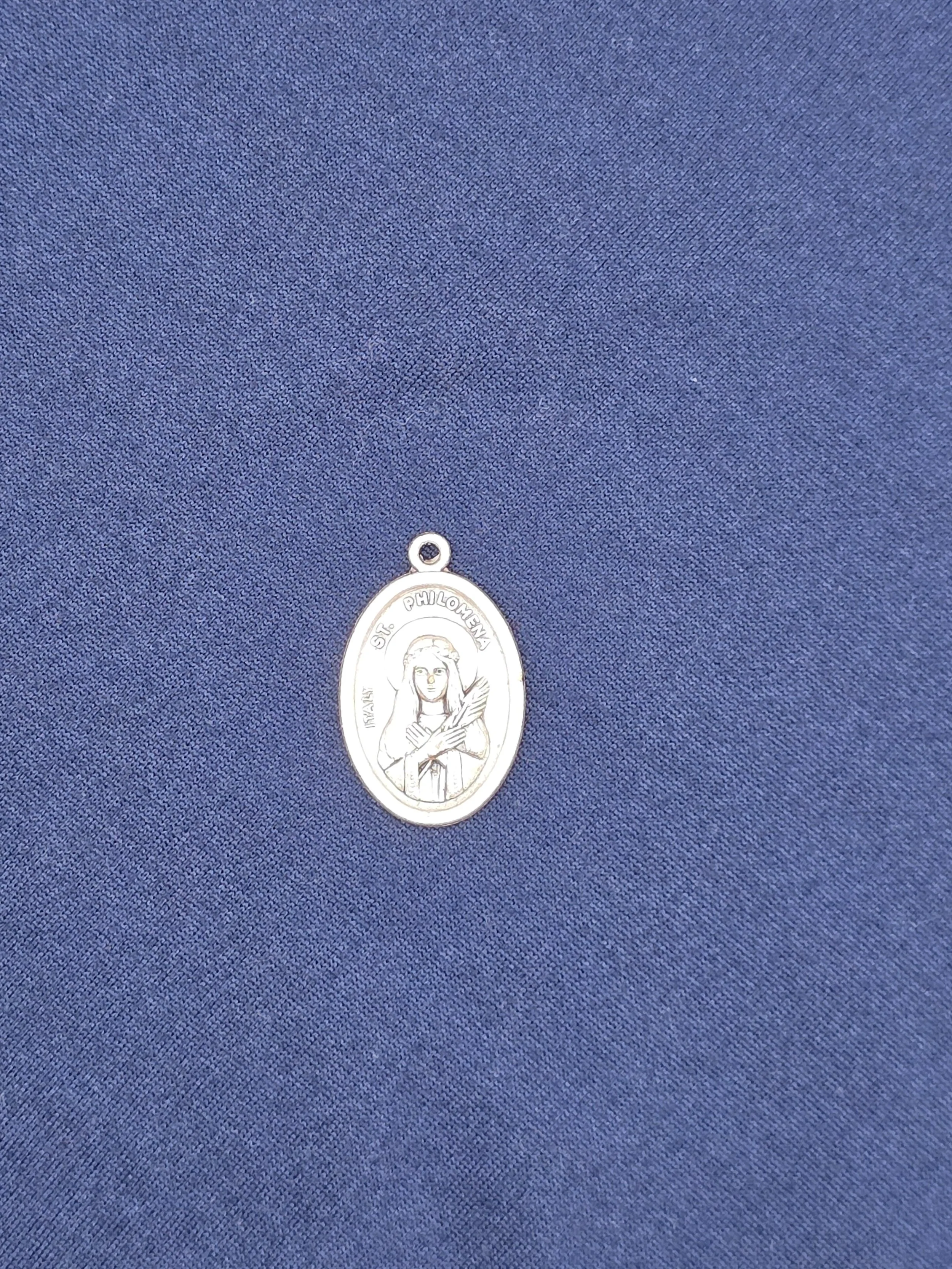
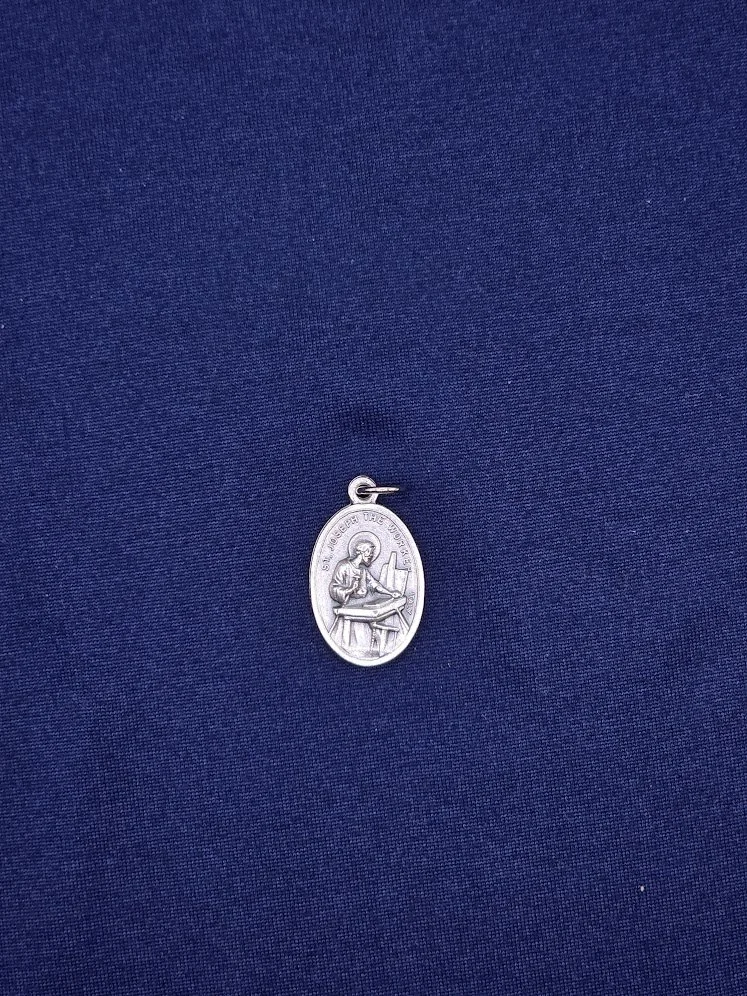
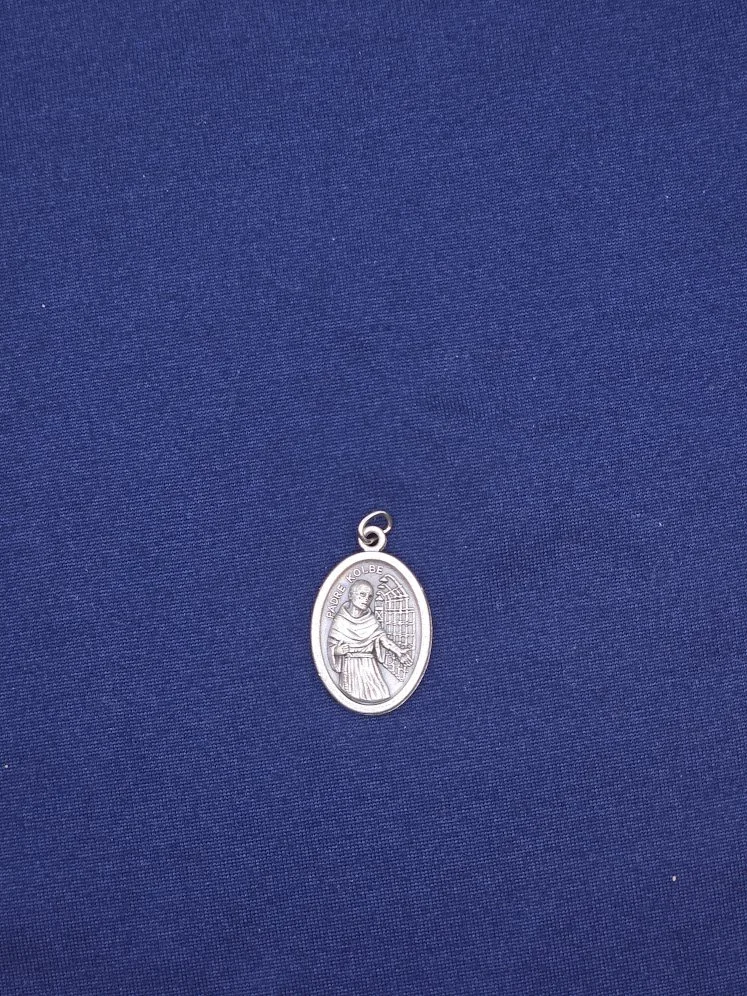
Material: Zinc alloy
Quantity: 1
Size: 25mm × 16mm (0.98" × 0.63")
Hole: 1.5mm (0.05")
He is often depicted in his Franciscan habit, holding a crown (for Mary) and sometimes standing in the Auschwitz starvation cell.
His heroic act of offering his life for another man remains one of the most powerful examples of Christian love in the 20th century.
Saint Maximilian Kolbe (1894–1941), also known as St. Maximilian Maria Kolbe, was a Polish Franciscan friar, priest, and martyr who is one of the most beloved modern saints.
Born Raymond Kolbe in Poland, he entered the Franciscan Order as a teenager and was ordained a priest in 1918. He had a deep devotion to the Virgin Mary and founded the Militia Immaculatae (Army of the Immaculate One), a movement dedicated to spreading devotion to Mary and converting the world through her intercession. He also founded a large monastery in Niepokalanów and started a popular Catholic publishing house.
During World War II, he sheltered thousands of refugees, including many Jews, at his monastery. In 1941, he was arrested by the Nazis and sent to the Auschwitz concentration camp. When a prisoner escaped and the camp commander sentenced ten men to death by starvation, Kolbe volunteered to take the place of a young husband and father named Franciszek Gajowniczek. He was locked in the starvation bunker with the others. After two weeks, he was still alive and calmly leading prayers. The guards finally killed him with a lethal injection of carbolic acid on August 14, 1941.
He was canonized by Pope St. John Paul II in 1982 as a martyr of charity. His feast day is August 14.
Saint Maximilian Kolbe is venerated as the patron saint of:
Prisoners and those in concentration camps
Addicts and people struggling with drug addiction (especially alcohol and substance abuse)
Journalists and media workers (because of his extensive publishing work)
Families (especially fathers)
The pro-life movement
Material: Zinc alloy
Quantity: 1
Size: 25mm × 16mm (0.98" × 0.63")
Hole: 1.5mm (0.05")
He is often depicted in his Franciscan habit, holding a crown (for Mary) and sometimes standing in the Auschwitz starvation cell.
His heroic act of offering his life for another man remains one of the most powerful examples of Christian love in the 20th century.